
Deciphering PCOS in a cafeteria-diet rat model
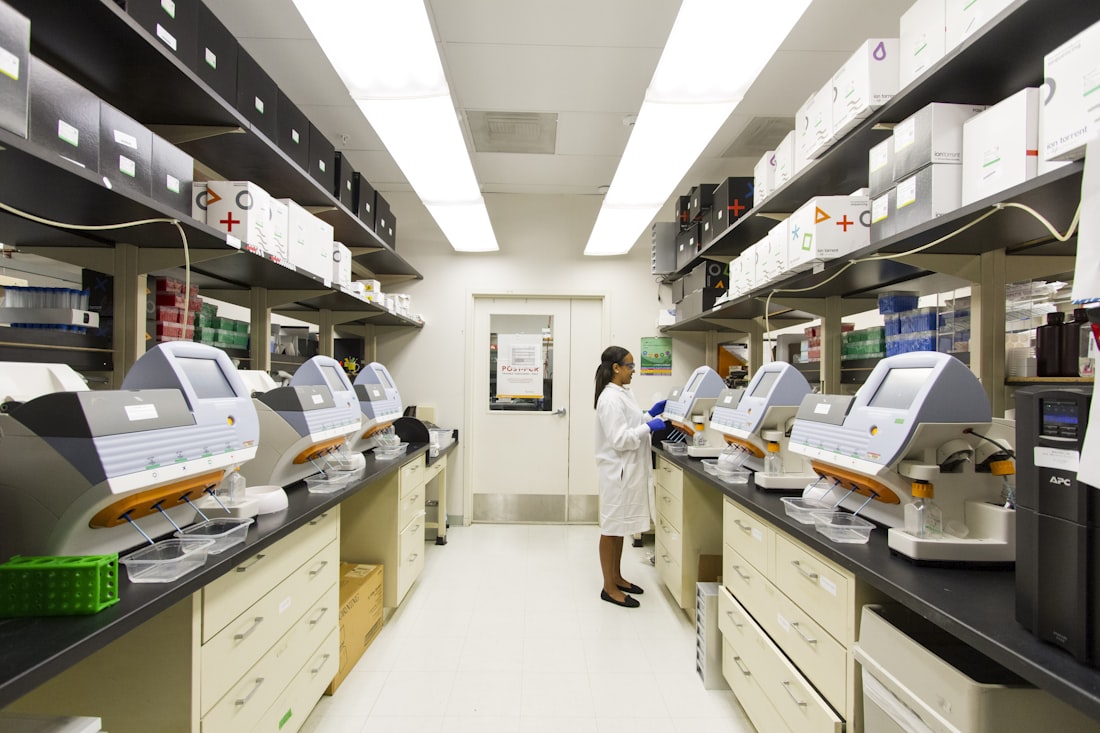
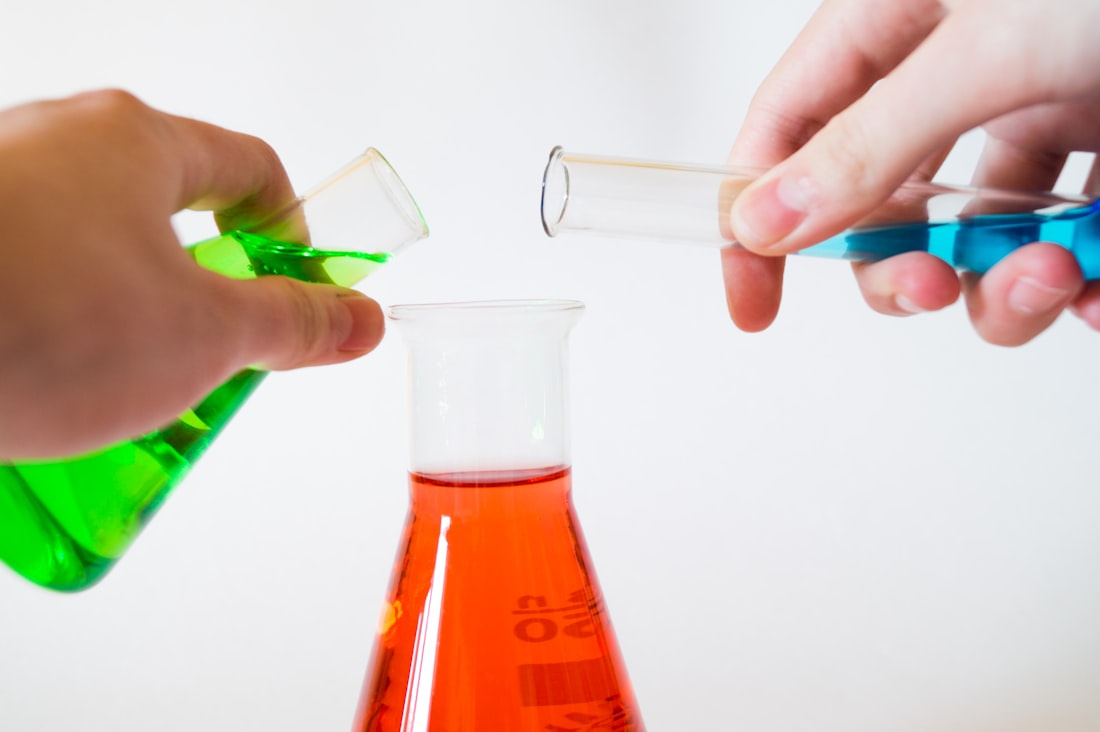
My Master’s dissertation investigated the neurobiological and metabolic mechanisms underlying Polycystic Ovary Syndrome using a cafeteria-diet-induced rat model, connecting diet, brain signaling, and metabolic dysfunction. It taught me to design controlled experiments, sit with messy data, and defend a conclusion, the same instinct I bring to a marketing dashboard today.
Data-driven decision-making at Don’s Drugs
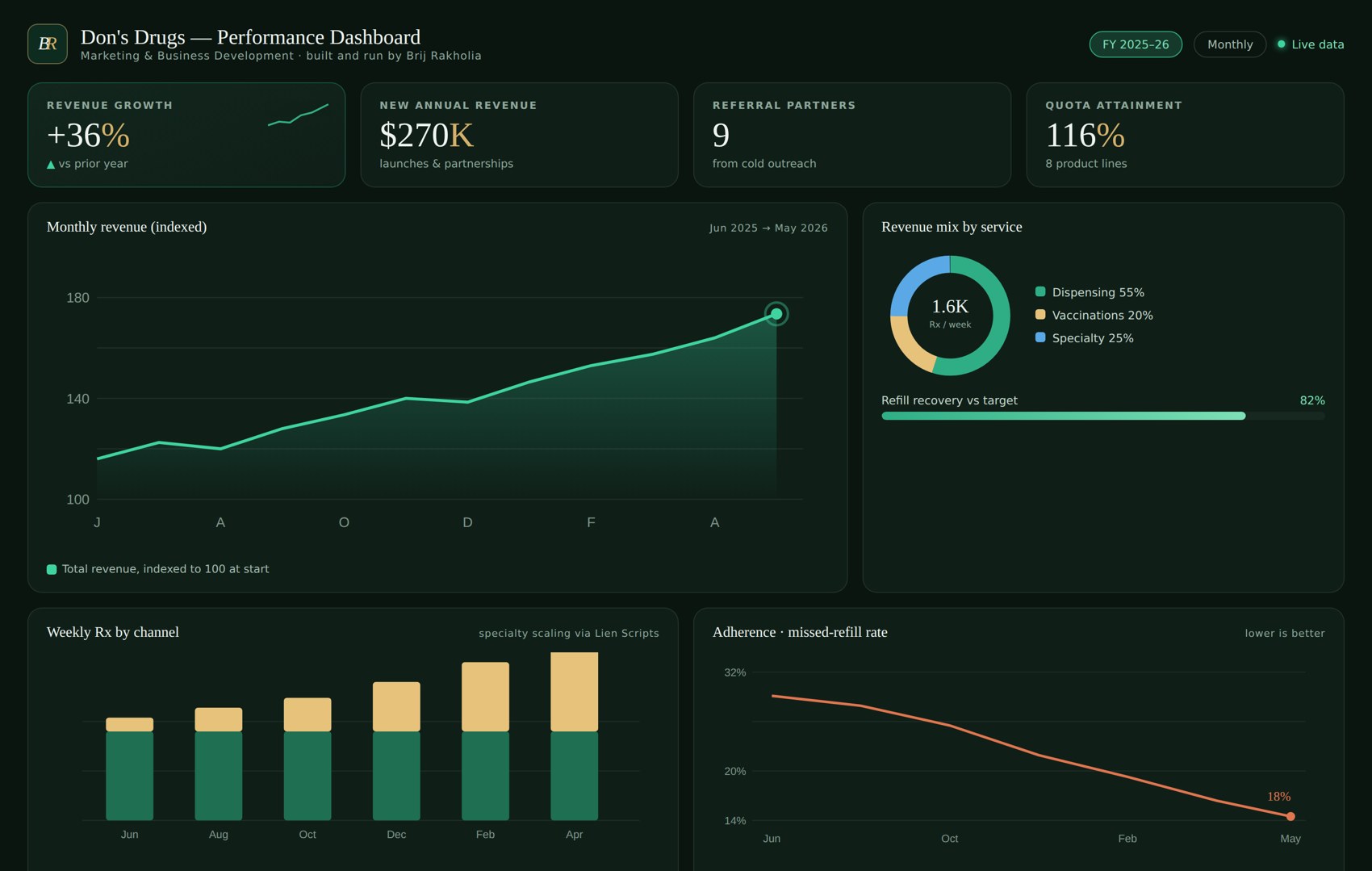
Presented to my full MBA cohort and singled out by my professor. The pharmacy ran on five disconnected systems where the same patient appeared three different ways, so refills slipped and stock ran hot and cold. My "foundation first" fix: unify a single patient view in Power BI, lock data standards, and automate a daily Refills Due Today feed, one screen instead of five spreadsheets.



A growth platform for Don’s Drugs
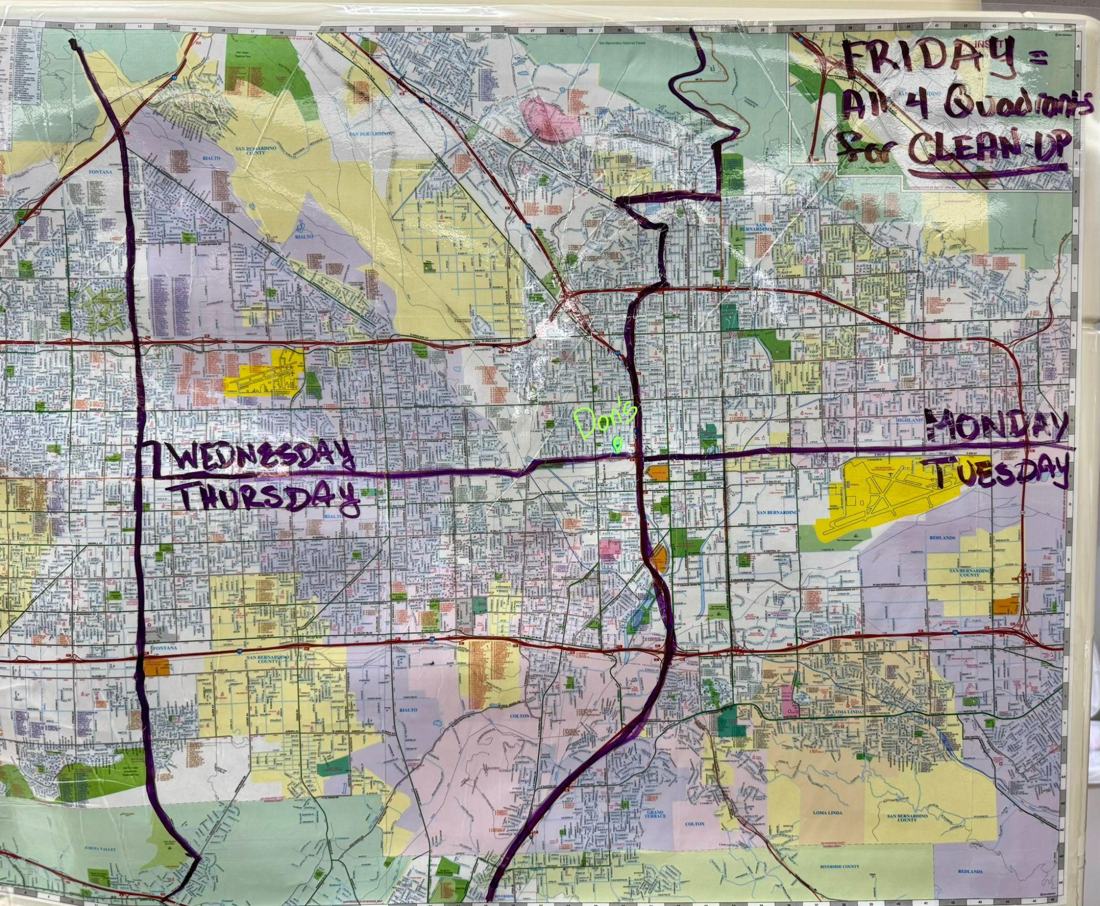
A full consulting engagement: interviews, on-site observation, workflow and delivery analysis, and real implementation. We diagnosed the core issue, not a demand problem, but a value-capture and operational-capacity problem, and recommended transforming a reactive dispensing pharmacy into a Medication Management & Specialty Care Platform. Several recommendations went live during the quarter, including the hand-drawn delivery quadrant system pictured here.